


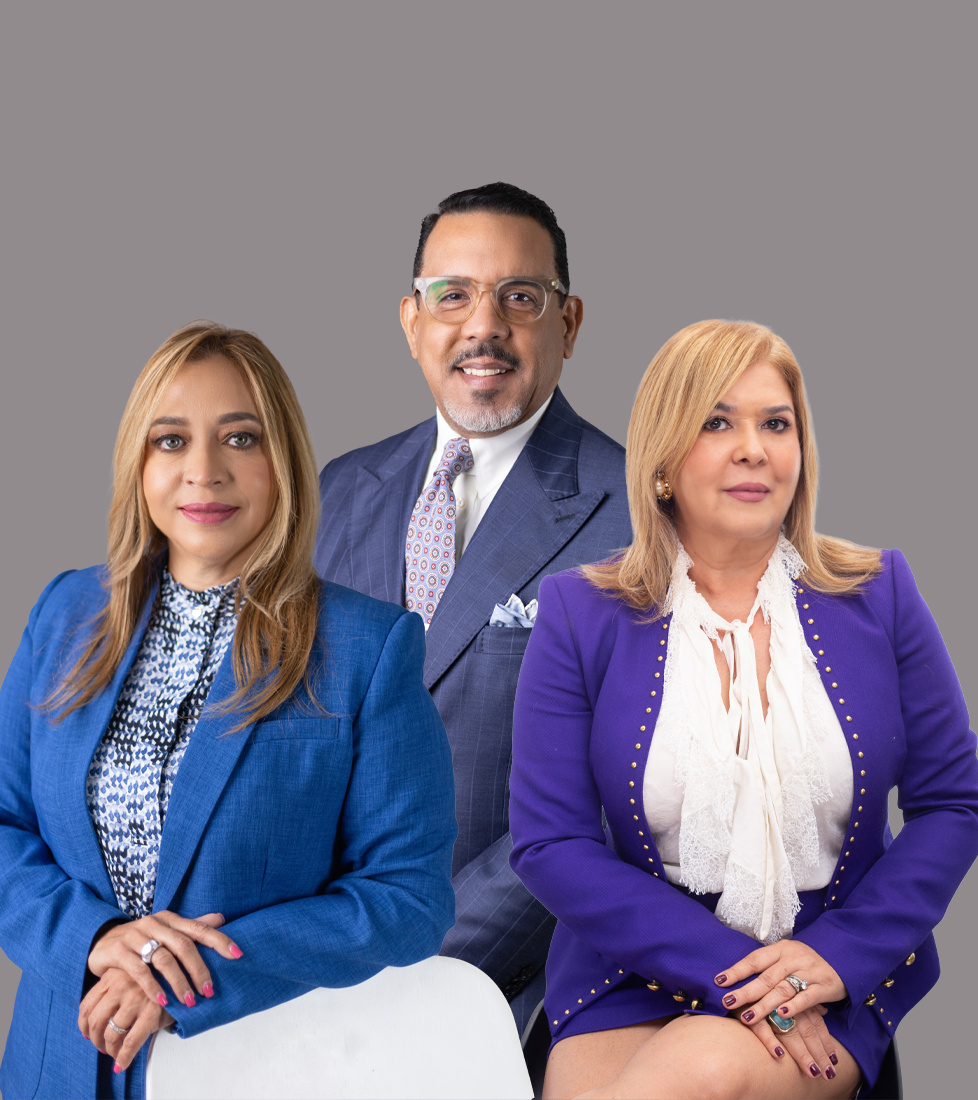
Will and Inheritance Trust in the Dominican Republic: Uses, Legal Limits, and a Practical Strategy
Most family disputes stem from disorganization or a lack of family planning. In the Dominican Republic, good planning means understanding two key tools and one non‑negotiable limit: the will and the trust (fideicomiso). However, there is an important limit to creating these estate‑planning vehicles: the reserved portion (reserva hereditaria). It is vital to understand this condition established in the Civil Code of the Dominican Republic to protect the family estate.
This potential conflict also affects foreigners who own property in their personal name in the Dominican Republic, especially when they have descendants to whom the rule of the reserved portion may also be applied—known abroad and in other jurisdictions as forced heirship. In reality, the rule is not absolute, so legal and financial advice is always recommended before acquiring significant assets in the Dominican Republic.
What you will get from this guide:
- What a will in the Dominican Republic is actually for (in practice, not theory).
- Types of wills and critical formalities (what invalidates documents).
- What the reserved portion (forced heirship) is, and how it limits your freedom to dispose of assets.
- How to draft a written will with a clear, defensive structure.
- How a succession trust fits in: legal basis, advantages, costs, and risks.
- A quick decision matrix: will, trust, or a mixed structure.
1. Wills in the Dominican Republic: practical usefulness
A will is the act by which a person disposes of all or part of their assets to take effect after death. In practical terms, it allows you to:
- Define precisely who receives what (heirs and legatees).
- Reduce family friction and avoid improvised decisions.
- Appoint an executor (personal representative) to ensure implementation.
- Design a distribution through specific bequests or by percentages of the estate.
- Leave instructions for the management of assets, within legal limits.
Three essential notes: a will is unilateral, formal, and—above all—revocable. The last will supersedes previous ones: if your family, assets, or risk profile change, the solution is not to “patch” an old document; it is to update it.
2. Types of wills: which one is used and why
In Dominican practice, three ordinary forms are mainly used:
2.1 Holographic will (handwritten)
It is a will written entirely by the testator, with signature and date. Its appeal is simplicity and privacy; its risk is challenge (authenticity, capacity, loss, undue pressure).
When it may be appropriate:
- A simple estate with low conflict potential.
- Need for speed (without later being replaced by a more robust notarized will).
Typical risks:
- Doubts about authenticity (handwriting expert analysis).
- Errors in date/signature or ambiguous wording.
- Poor custody and loss.
2.2 Notarial will by public act (public instrument)
It is executed before a notary and witnesses. The testator states their wishes; the notary drafts them; it is read aloud and signed by all. It is the most robust form for medium/high estates, due to its traceability and lower risk of challenge.
2.3 Mystic or secret will (sealed/closed)
It is a written and signed will, presented closed and sealed before a notary and six witnesses, who certify the act of presentation (not the content). It is used when confidentiality is paramount, but it requires strict formalities.
2.4 Special wills
There are extraordinary forms (for example, military or maritime) for situations where ordinary formalities cannot be observed. These are exceptional, technical cases.
3. Critical formalities: what invalidates wills
In succession matters, form equals validity. A misplaced word can be litigated; a missing formality can nullify the act. These are the points that most often trigger litigation:
- Holographic: not entirely handwritten; missing signature or date; questionable custody.
- Public act: disqualified (legally unqualified) witnesses; omissions in reading/signing; defects in the notarial instrument.
- Mystic (closed): defects in sealing, in the attestation record, or in the notary-and-six-witness requirements.
4. Reserved portion: the controlling limit
In the Dominican Republic there is no absolute freedom to dispose by will. The reserved portion (reserva hereditaria / legitime) is the portion of the estate that the law protects for forced heirs, limiting the disposable portion that the testator may allocate freely.
4.1 Is it considered forced heirship?
Yes, in a functional sense: it operates as a forced‑heirship regime. Personal preference does not control: if there are reserved heirs, any gift that exceeds the disposable portion is exposed to reduction/challenge.
In this respect there are mitigations for foreigners whose successions are opened outside the country, to whom other provisions may apply. This may allow the distribution of the estate without obstacles when paying Dominican inheritance taxes that can arise from the idea of the reserved portion. Specialized advice can also enable an expedited process to adjudicate assets organized as a last will in an instrument such as a will, which may or may not include other assets held in trust. This is a highly specialized area that requires experienced professionals.
4.2 What is the disposable portion? (practical rule)
The classical rule of the Civil Code provides that lifetime gifts or testamentary dispositions may not exceed:
- 1/2 of the assets, if at death the decedent leaves one (1) child.
- 1/3 of the assets, if two (2) children are left.
- 1/4 of the assets, if three (3) children or more are left.
The remaining portion constitutes the reserved portion. The purpose is twofold: to protect the family estate and to promote a degree of equality among co-heirs.
4.3 Origin and rationale
The reserved portion belongs to the civil-law tradition of French origin (Napoleonic Code) and reflects a policy choice: to prioritize family stability and prevent arbitrary disinheritance. In practice, it is one of the most litigated issues when there are second marriages, children from different relationships, or significant estates.
Another mitigation is that the reserved portion can be interpreted as a protective public-order rule. This means it must be asserted by the heir who considers themselves affected. Until that occurs, in certain scenarios the gratuitous dispositions granted by the decedent remain in force.
5. How to draft a written will
An effective will is clear, verifiable, and defensive. This structure works well for both Dominican nationals and foreigners with assets in the Dominican Republic:
Step 1: Asset and family assessment
- Inventory of assets (real estate, accounts, equity interests, vehicles, rights).
- Family structure (spouse, children, children from other relationships, dependents).
- Objectives (protection, equality, business continuity, conditions).
Step 2: Calculate the reserved portion and the disposable portion
- Identify forced heirs (reserved heirs).
- Determine the disposable margin before making “emotional” bequests.
Step 3: Choose the form
- Public act if there is real estate, a business, multiple heirs, or potential conflict.
- Holographic only if the case is simple and custody is controlled.
Step 4: Draft in blocks
- Full identification of the testator.
- Revocation of prior dispositions.
- Appointment of heirs (by percentages) and/or specific bequests.
- Clause acknowledging and respecting the reserved portion.
- Appointment of executor (primary and alternate).
Step 5: Safekeeping and updates
- Define where the original will be kept, who knows, and how it will be delivered upon death.
- Review every 2–3 years or upon events: marriage/divorce, birth, purchase/sale of real estate, relocation, tax changes.
6. Succession trust: when a will is not enough
A trust (fideicomiso) is a legal relationship whereby the settlor transfers assets or rights to a trustee to manage them for a purpose, for the benefit of one or more beneficiaries. Its decisive feature is the separated estate: the trust assets form an autonomous and independent estate.
6.1 Legal basis in the Dominican Republic
- Law No. 189-11 (Mortgage Market and Trust Law): defines the trust, the trustee’s rights and duties, grounds for termination, and the separated estate.
- Decree No. 95-12 (regulations): develops operational definitions and management parameters.
- Civil Code: general principles of contract law (supplementary application).
6.2 How it fits with the will
There are two common architectures:
- Will as the backbone + trust as the administration module.
- Trust as the backbone + a backup will for assets not contributed.
In both cases, the structure must respect the reserved portion: a trust is not a shortcut to displace reserved heirs.
6.3 Typical advantages of a succession trust
- Continuity of administration (rental income, family business, maintenance of real estate).
- Smart conditions for distribution (age, milestones, education).
- Greater operational order and potential reduction of court involvement in administration/execution.
- Greater privacy regarding distribution (depending on how it is structured).
6.4 Drawbacks and risks
- Costs (trustee, administration, registry and tax formalities).
- Complexity: a poorly drafted contract creates costlier litigation.
- Risk of challenge if it affects the reserved portion or is used for unlawful purposes.
- Tax and registration obligations (tax ID/RNC for the separated estate; filings depending on activity).
7. Quick decision matrix (1 minute)
| Your situation | Typical recommendation | Why |
| Simple estate, clear heirs, low conflict | Will (ideally: notarial will by public act) | Lower cost and sufficient control; strong traceability. |
| Income-producing real estate or family business | Will + administrative trust | Avoids paralysis, preserves cash flow, and sets management rules. |
| Minor heirs / special needs | Succession trust (or mixed structure) + backup will | Enables conditions and professional administration until conditions are met. |
| Second marriages / children from different relationships | Mixed structure with strict reserved-portion calculation | Reduces forced-heirship litigation and clarifies allocations. |
| Foreigner with assets in the Dominican Republic | Public act + international coordination + (possible) trust | Avoids jurisdictional conflicts and speeds up local execution. |
Fideicomiso sucesoral en República Dominicana. Visión general y estrategias
La mayoría de los conflictos familiares obedecen a la desorganización o falta de planificación familiar. En República Dominicana, planificar bien significa entender dos herramientas clave y un límite que no perdona: el testamento, y el fideicomiso. Si embargo existe un límite importante a la creación de estos vehículos de planificación patrimonial: la reserva hereditaria. Es vital conocer esta condición establecida en el Código Civil de la República Dominicana para la protección del patrimonio familiar.
El potencial conflicto afecta también a los extranjeros con propiedades a título personal en la República Dominicana, cuando poseen descendientes a los cuales también se les pretenda aplicar la regla de la reserva sucesoral; comprendida en el extranjero y en otras jurisdicciones como herencia forzada. En realidad, la regla no es absoluta por lo que siempre es recomendable la asesoría legal y financiera antes de adquirir propiedades importantes en la República Dominicana.
Lo que obtendrás en esta guía:
- Para qué sirve realmente el testamento en RD (en práctica, no en teoría).
- Tipos de testamento y formalidades críticas (lo que invalida documentos).
- Qué es la reserva hereditaria (herencia forzada) y cómo limita tu libertad de disponer.
- Cómo redactar un testamento escrito con estructura clara y defensiva.
- Cómo encaja el fideicomiso sucesoral: fundamento legal, ventajas, costos y riesgos.
- Una matriz rápida para decidir: testamento, fideicomiso o estructura mixta.
1. El testamento en RD: utilidad real
El testamento es el acto por el cual una persona dispone de todo o parte de sus bienes para después de su muerte. En términos prácticos, sirve para:
- Definir con precisión quién recibe qué (herederos y legatarios).
- Reducir fricción familiar y evitar decisiones improvisadas.
- Nombrar un albacea (ejecutor) para asegurar implementación.
- Diseñar una distribución por legados específicos o por porcentajes sobre la masa hereditaria.
- Dejar instrucciones sobre administración de bienes, dentro de los límites legales.
Tres notas esenciales: el testamento es unilateral, solemne y, sobre todo, revocable. La última voluntad desplaza a las anteriores: si cambian tu familia, tus bienes o tus riesgos, la solución no es ‘adaptar’ un documento viejo; es actualizarlo.
2. Tipos de testamento: cuál se usa y por qué
En la práctica dominicana se utilizan principalmente tres modalidades ordinarias:
2.1 Testamento ológrafo (manuscrito)
Es el testamento escrito íntegramente por el testador, con firma y fecha. Su atractivo es la simplicidad y privacidad; su riesgo es la impugnación (autenticidad, capacidad, pérdidas, presiones).
Cuándo puede convenir:
- Patrimonio simple y poco conflictivo.
- Necesidad de rapidez (sin desplazar luego a un testamento notarial más robusto).
Riesgos típicos:
- Dudas de autenticidad (peritaje caligráfico).
- Errores en fecha/firma o redacción ambigua.
- Custodia deficiente y extravío.
2.2 Testamento por acto público (instrumento público)
Se otorga ante notario y testigos. El testador declara su voluntad; el notario la redacta; se lee en voz alta y se firma por todos. Es la modalidad más robusta para patrimonios medianos/altos, por su trazabilidad y menor margen de impugnación.
2.3 Testamento místico o secreto (cerrado)
Es un testamento escrito y firmado, presentado cerrado y sellado ante un notario y seis testigos, quienes certifican el acto de presentación (no el contenido). Se usa cuando la confidencialidad del contenido es prioritaria, pero exige formalidades estrictas.
2.4 Testamentos especiales
Existen modalidades extraordinarias (por ejemplo, militar o marítimo) para situaciones donde no es posible observar formalidades ordinarias. Son casos excepcionales y técnicos.
3. Formalidades críticas: lo que invalida testamentos
En sucesiones, la forma es validez. Una palabra mal ubicada puede discutirse; una formalidad omitida puede anular el acto. Estos son los puntos que más disparan litigio:
- Olográfico: que no sea íntegramente manuscrito; falta de firma o fecha; custodia dudosa.
- Acto público: testigos inhábiles; omisiones en lectura/firma; defectos del acto notarial.
- Místico (cerrado): fallas en sellado, en el acta de suscripción, o en requisitos de notaría y seis testigos.
4. Reserva hereditaria: el límite que manda
En República Dominicana no existe libertad absoluta de testar. La reserva hereditaria (legítima) es la porción del patrimonio que la ley protege a favor de herederos forzosos, limitando la porción disponible que el testador puede atribuir libremente.
4.1 ¿Se considera herencia forzada?
Sí, en el sentido funcional: opera como un régimen de forced heirship. No importa tu preferencia personal: si existen herederos reservatarios, cualquier liberalidad que exceda el disponible queda expuesta a reducción/impugnación.
En este aspecto existen atenuaciones para los extranjeros cuyas sucesiones son abiertas fuera del país, a los cuales se les pueden aplicar otras disposiciones; permitiendo la distribución del patrimonio sin que se presenten obstáculos a la hora de pagar los impuestos sucesorales en la República Dominicana originados por la idea de la reserva hereditaria. La especial asesoría permite también un procedimiento expedito de adjudicación de los bienes organizados como última voluntad en un instrumento como el testamento que pueda o no incluir otros bienes administrados en fideicomiso. Es una materia muy especializada que demanda de profesionales expertos.
4.2 ¿Cuál es la porción disponible? (regla práctica)
La regla clásica del Código Civil establece que las donaciones entre vivos o por testamento no pueden exceder de:
- 1/2 de los bienes, si al fallecer deja un (1) hijo.
- 1/3 de los bienes, si deja dos (2) hijos.
- 1/4 de los bienes, si deja tres (3) hijos o más.
La parte restante integra la reserva hereditaria. La finalidad es doble: proteger el patrimonio familiar y promover cierta igualdad entre coherederos.
4.3 Origen y lógica
La reserva hereditaria pertenece a la tradición civilista de raíz francesa (Código Napoleón) y responde a una opción de política jurídica: priorizar estabilidad familiar y evitar desposesiones arbitrarias. En la práctica, es uno de los puntos más litigiosos cuando hay segundas nupcias, hijos de distintas relaciones o patrimonios elevados.
Otra atenuación de la reserva es que la misma puede ser interpretada dentro de un orden público de protección. Esto significa que debe ser reclamada por el sucesor que se considere afectado. Mientas esto no suceda, bajo ciertos escenarios las liberalidades consentidas por el causante se mantienen vigentes.
5. Cómo redactar un testamento escrito.
Un testamento eficaz es claro, verificable y defensivo. Esta estructura funciona bien tanto para nacionales como para extranjeros con bienes en RD:
Paso 1: Diagnóstico patrimonial y familiar
- Lista de activos (inmuebles, cuentas, participaciones, vehículos, derechos).
- Estructura familiar (cónyuge, hijos, hijos de otras relaciones, dependientes).
- Objetivos (protección, igualdad, continuidad de empresa, condiciones).
Paso 2: Calcular reserva y porción disponible
- Identificar herederos forzosos (reservatarios).
- Determinar el margen disponible antes de hacer legados ‘emocionales’.
Paso 3: Elegir modalidad
- Acto público si hay inmuebles, empresa, varios herederos o potencial conflicto.
- Olográfico solo si el caso es simple y se controla custodia.
Paso 4: Redacción por bloques
- Identificación completa del testador.
- Revocación de disposiciones anteriores.
- Institución de herederos (por porcentaje) y/o legados específicos.
- Cláusula de respeto de la reserva hereditaria.
- Nombramiento de albacea (principal y suplente).
Paso 5: Custodia y actualización
- Definir dónde queda el original, quién lo conoce y cómo se entrega al fallecimiento.
- Revisar cada 2-3 años o ante eventos: matrimonio/divorcio, nacimiento, compra/venta de inmuebles, mudanza, cambios fiscales.
6. Fideicomiso sucesoral: cuando el testamento no basta
El fideicomiso es una relación jurídica donde el fideicomitente transfiere bienes o derechos a un fiduciario para que los administre conforme a un propósito, en beneficio de uno o varios beneficiarios. Su rasgo decisivo es el patrimonio separado: los bienes fideicomitidos constituyen un patrimonio autónomo e independiente.
6.1 Fundamento legal en RD
- Ley No. 189-11 (Mercado Hipotecario y el Fideicomiso): define el fideicomiso, derechos y obligaciones del fiduciario, causales de extinción y el patrimonio separado.
- Decreto No. 95-12 (reglamento): desarrolla definiciones operativas y parámetros de administración.
- Código Civil: principios generales de contratación (aplicación supletoria).
6.2 Cómo encaja con el testamento
Existen dos arquitecturas habituales:
• Testamento como columna vertebral + fideicomiso como módulo de administración.
• Fideicomiso como columna vertebral + testamento de respaldo para bienes no aportados.
En ambos casos, la estructura debe respetar la reserva hereditaria: un fideicomiso no es un atajo para desplazar reservatarios.
6.3 Ventajas típicas del fideicomiso sucesoral
- Continuidad de administración (rentas, empresa familiar, mantenimiento de inmuebles).
- Condiciones inteligentes para entrega (edad, hitos, educación).
- Mayor orden operativo y potencial reducción de judicialización en administración/ejecución.
- Privacidad superior respecto a la distribución (dependiendo de cómo se instrumente).
6.4 Inconvenientes y riesgos
- Costos (fiduciario, administración, formalidades registrales y fiscales).
- Complejidad: un contrato mal redactado crea litigio más caro.
- Riesgo de impugnación si afecta la reserva hereditaria o si se usa para fines ilícitos.
- Obligaciones fiscales y de registro (RNC del patrimonio autónomo; declaraciones según actividad).
7. Matriz rápida de decisión (1 minuto)
| Tu situación | Recomendación típica | Por qué |
| Patrimonio simple, herederos claros, bajo conflicto | Testamento (ideal: acto público) | Menor costo y suficiente control; buena trazabilidad. |
| Inmuebles de renta o empresa familiar | Testamento + fideicomiso de administración | Evita parálisis, mantiene flujo de rentas y reglas de gestión. |
| Herederos menores / necesidades especiales | Fideicomiso sucesoral (o mixto) + testamento respaldo | Permite condiciones y administración profesional hasta cumplimiento de condiciones. |
| Segundas nupcias / hijos de distintas relaciones | Estructura mixta con cálculo estricto de reserva | Reduce litigio por legítima y clarifica asignaciones. |
| Extranjero con bienes en RD | Acto público + coordinación internacional + (posible) fideicomiso | Evita choques de jurisdicción y acelera ejecución local. |
Lic. Helen Azouri
Family and Corporate Law Specialist
Lic. Freddy Miranda
Litigator